




Kantarawaddy Times
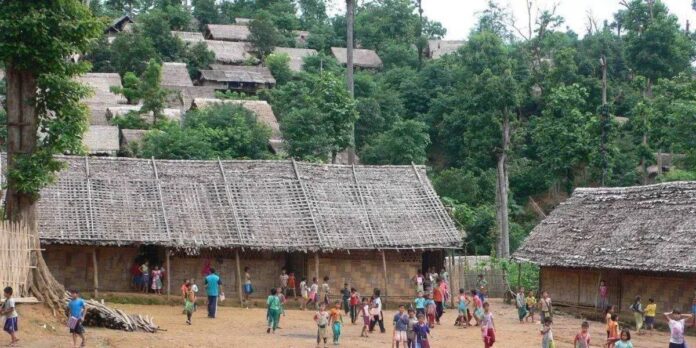
The Thai government is currently working toward the permanent closure of refugee camps along the Thai–Myanmar border. Authorities have already begun implementing part of the plan, according to an observer monitoring refugee affairs on the border.
Following the suspension of U.S. aid, one component of the plan is to allow Myanmar refugees, who have lived along the Thai border for more than four decades with support from international donors, to work legally and become self-reliant.
At the same time, since legal work permits were granted to refugees in October 2025, the number of refugees leaving the two Karenni refugee camps in Mae Hong Son Province to work remains low as of May 2026. As a result, authorities are now working to increase the employment rate, according to a member of a refugee camp committee.
Beginning in mid-May 2026, Thai authorities imposed strict restrictions on the movement of refugees who do not yet possess legal work authorization documents, preventing them from leaving the camps.
A refugee camp committee member explained that anyone wishing to travel outside the camp must now find a Thai employer and obtain a labor card and the so-called “pink card,” a 10-year identification card.
A woman living in Karenni Refugee Camp No. 1 said that while these restrictions encourage more people to obtain legal work documents, there are also some challenges.
“The positive side is that it feels much safer to go outside and work. Before, when people left the camp to work without legal documents to support their families, they worried about being arrested.
That concern might be reduced now. But on the negative side, I think the biggest challenge is the language barrier. Most camp residents don’t have much opportunity to learn Thai. Some people know the basics, but for many it is still very difficult, especially when it comes to speaking the language,” she said.
Following the suspension of U.S. assistance, Thai authorities began developing plans related to Myanmar refugees in 2025. In August 2025, they drafted a three-stage strategy, which are a short-term emergency fundraising plan, a medium-term plan to provide employment opportunities for refugees, and a long-term plan to close the border refugee camps.
“For the short-term work plan, it hasn’t been a full year yet since last October. We are now reviewing the progress. In the medium term, over one to five years, the plan is to consolidate camps. In our case, the two Karenni refugee camps, Ban Mai Nai Soi and Ban Mae Surin, would be merged into one. In the long term, there would no longer be refugee camps,” a male member of the Karenni refugee camp committee explained.
However, he added that refugees who are unable to work or who have special needs would be accommodated together in a designated area and continue to receive support from Thai authorities.
According to a border refugee affairs observer, the plan to close the camps does not appear to be linked to any effort to forcibly return Myanmar refugees to Myanmar. While camp closure may create new opportunities for refugees, it also generates concerns.
“One positive side is that camp residents who possess UN refugee documentation may be able to legally marry Thai citizens living in border areas. This could benefit their future children, who may become Thai citizens and gain access to education, healthcare, and legal protections. That is an important advantage. But the downside is that many refugees have lived in the camps with international aid for many years. Suddenly having to survive independently, earn their own living, and take responsibility for themselves can be very difficult. There will be psychological impacts, especially during the initial transition period,” a refugee affairs observer said.
Historically, children born to Myanmar refugees inside the camps have not received Thai birth certificates. Those whose parents possess refugee documentation issued by the United Nations had their children registered with the UN.
Camp officials believe that by obtaining legal employment outside the camps, refugees may be able to secure official Thai birth registration for children born in the future.
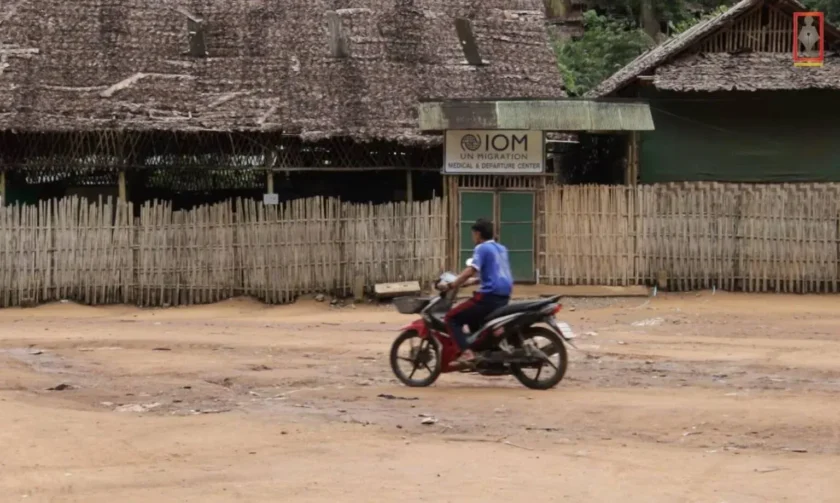
“People may see the closure of camps as a form of pressure, but we should also see it as an opportunity. We need to act quickly and prepare for the transition. There should be a four- or five-year plan to transform the camps. Stakeholders need to develop strategies covering education, healthcare, and legal protection for children living in the camps. For example, schools should begin teaching Thai as a formal subject. If children learn Thai as part of their education, it will greatly benefit them in the future, whether they work in Thailand or marry and settle here,” another observer of refugee emphasizes.
Camp officials have also told Myanmar media outlets that, as part of the Thai government’s camp-closure strategy, Myanmar refugees in Thailand’s Tak Province are already preparing to merge and consolidate camps.