




Download PDF File – Monthly Summary of Key Events in Karenni July 2026
Transportation Difficulties Affect Healthcare Services and Access to Goods
Road access difficulties during the rainy season continue to disrupt healthcare services, the supply of basic food items, and the daily lives of residents across Karenni State.
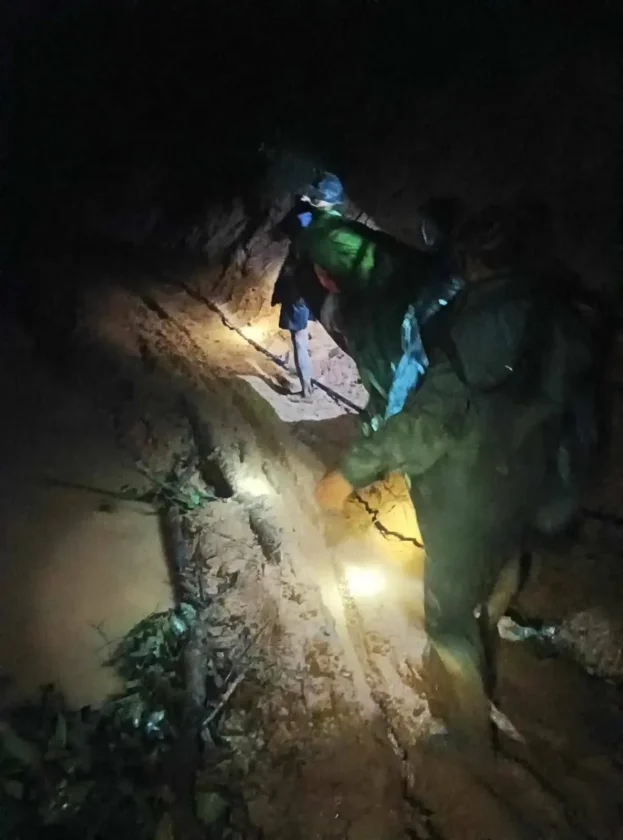
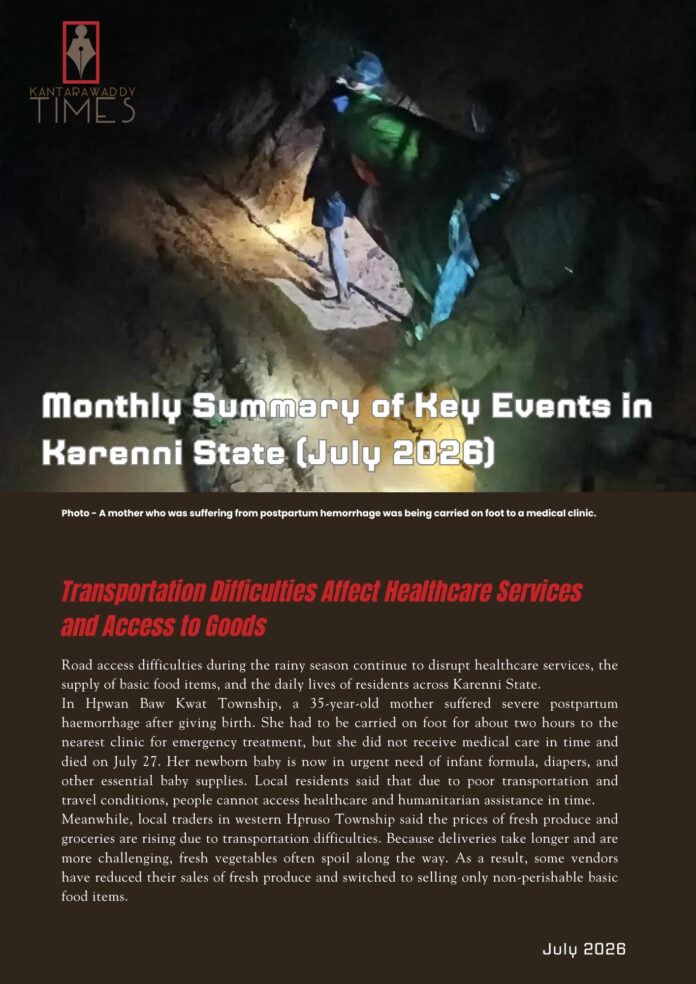
In Hpwan Baw Kwat Township, a 35-year-old mother suffered severe postpartum haemorrhage after giving birth. She had to be carried on foot for about two hours to the nearest clinic for emergency treatment, but she did not receive medical care in time and died on July 27. Her newborn baby is now in urgent need of infant formula, diapers, and other essential baby supplies. Local residents said that due to poor transportation and travel conditions, people cannot access healthcare and humanitarian assistance in time.
Meanwhile, local traders in western Hpruso Township said the prices of fresh produce and groceries are rising due to transportation difficulties. Because deliveries take longer and are more challenging, fresh vegetables often spoil along the way. As a result, some vendors have reduced their sales of fresh produce and switched to selling only non-perishable basic food items.
Due to the terrain and heavy rainfall in that area, it is difficult to produce enough vegetables locally; thus, they have to rely mainly on supplies transported from other townships. In particular, vegetable farms in neighboring Demoso Township are located close to conflict zones. Rising fertilizer prices, high cultivation costs, increasing fuel prices, and transportation challenges have all contributed to continued increases in food prices.
Residents in remote parts of Hpruso Township are facing even greater transportation difficulties, with no cargo vehicles arriving for about a month. Currently, in addition to essential medicines, staple food items such as rice, cooking oil, salt, fish paste, and dried fish are now in short supply. Local communities are repairing some of the roads themselves to keep them passable.
Since the second week of June, the main road normally used for transportation has become impassable. Goods now have to be transported by porters or tractors. Supplies are brought in from Demoso Township, and the increased transportation costs have driven up prices in eight villages and three displacement camps.
Growing Concerns Over Communication Disruptions Following Starlink Restrictions
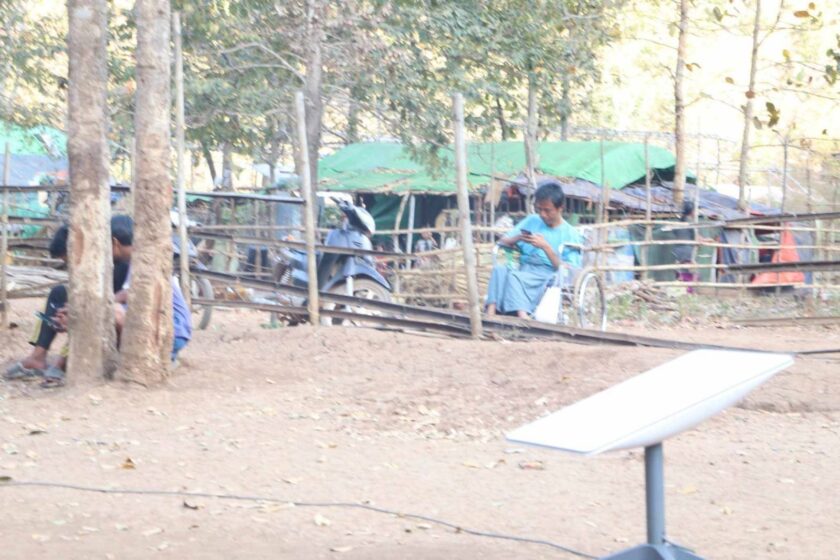
Since July 2, some Starlink accounts in certain areas of Myanmar, including Karenni State, were suspended with a “Region Restricted” notification. This has caused growing concerns among Starlink device owners and service users.
Service providers believe the restrictions may be the result of Starlink blocking access in Myanmar, where the service has not yet been officially authorized. According to providers, affected users first received warning emails before their service was terminated the following day. They estimate that more than 20 Starlink devices in Karenni were disabled within two days.
In revolutionary-controlled areas where mobile phone and internet services are unavailable, Starlink has become the primary means of communication, financial transactions, and delivery of public services. Local residents say if the service is interrupted, access to information and daily operations could become much more difficult.
Military Junta Expands Reconstruction and Repatriation Efforts in Karenni State
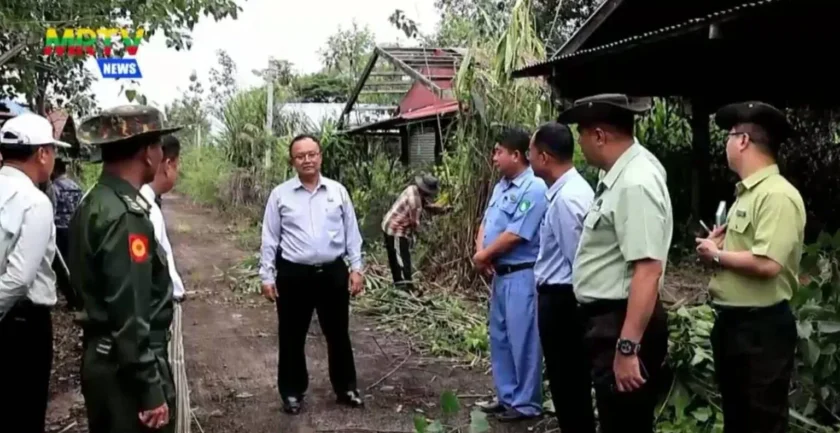
The military government has announced it is stepping up reconstruction and repatriation efforts across Karenni State. On July 15, a team led by State Chief Minister U Ant Maw inspected renovation work at the hospital, fire station, central market, agricultural institute, and government offices in Demoso town. State-run media also reported that road repairs are underway in villages along the Loikaw–Demoso Union Highway.
The junta has announced plans to prioritize reconstruction in Demoso, Hpruso, and Bawlakhe townships, reopen the Union Highway, and strengthen security. However, U Banyar, Secretary (2) of the Interim Executive Council (IEC), criticized the initiative, saying that fighting continues in and around Demoso, making it unsafe for civilians to return. He argued that the current reconstruction efforts are coercive.
Meanwhile, the junta is beginning to register displaced residents from Bawlakhe for return, with government employees being given priority. Displaced people said those who wish to return are allowed to return only after receiving official notification and joining designated return groups. At present, Bawlakhe is largely inhabited by government employees and people closely associated with the military, while civil servants are leading a 100-day campaign to clean and restore the town.
However, due to the security situation, overland travel to Bawlakhe remains difficult, and the town is only reachable by helicopter. In the past, the junta also threatened to confiscate the homes and land of displaced residents who refused to return.
In addition, Deputy Transport Minister U Tun Lu announced that the Loikaw–Yangon commercial flight route, which has been suspended since 2023 due to fighting, will soon resume operations. He said the runway, control tower, passenger terminal, and electrical systems at Loikaw Airport are ready, and that Myanmar National Airlines (MNA) is prepared to operate the route.
The airfare is approximately 320,000 kyats per ticket, and the airport will be open daily from 6:00 a.m. to 5:00 p.m. However, local residents believe that although restoring air services would be important for medical emergencies, ongoing security concerns may continue to undermine public confidence and make regular commercial operations difficult.
Human Rights Violations by the Military Junta
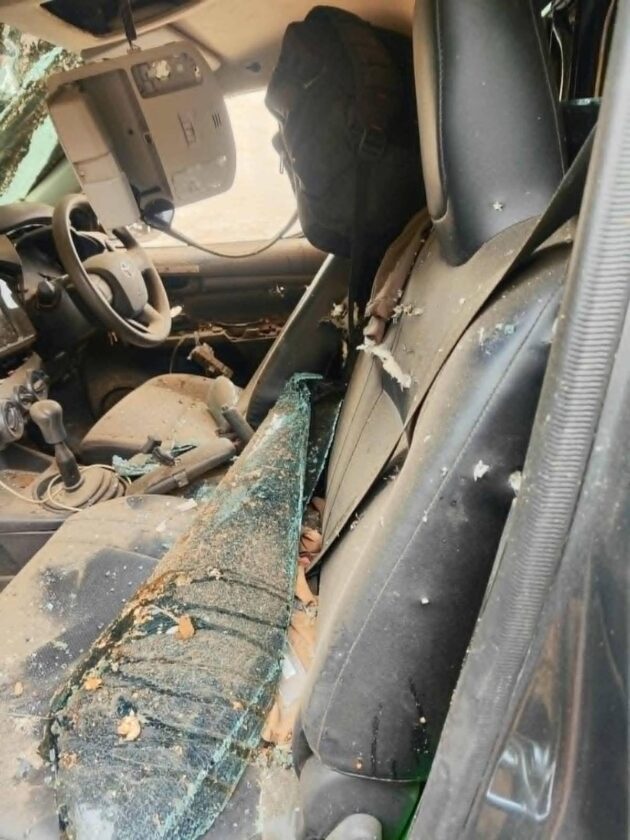
Between June 30 and July 29, the military junta carried out continuous airstrikes, drone bomb attacks, and artillery shelling across Karenni State and the Shan–Karenni border areas. These attacks resulted in civilian deaths and injuries, forced further displacement, and disrupted livelihoods and agricultural activities.
On June 30, the military fired three artillery shells and conducted two drone bomb attacks in eastern Hpruso Township. A 19-year-old displaced woman was wounded by artillery shrapnel while returning from her hillside farm.
On July 13, artillery and drone attacks on villages in western Moebye injured a pregnant woman with artillery shrapnel, while residents from three villages were forced to flee again.
On July 14, three military aircraft bombed two displacement camps and one village in eastern Loikaw Township. A displaced woman in her 50s was killed, while several houses and vehicles were damaged.
In Hpruso Township, a 49-year-old man was killed and another man injured when the military attacked people traveling along a road with drones on July 15. On July 21, the military opened fire on two men herding cattle. A 19-year-old displaced man suffered a gunshot wound to his arm, while a 45-year-old man remains missing.
Since the third week of July, frequent artillery and drone attacks in western Moebye have forced farmers in and around Lwel Wine to abandon their rice, corn, and other crop fields. Local farmers said they are also unable to hire laborers for clearing fields and weeding because of ongoing security risks.
Residents said the military has maintained control over sections of the Demoso–Hpruso Union Highway and surrounding villages, while continuing drone surveillance, artillery attacks, and ambush operations.
On July 16, an airstrike in Hpasawng Township injured three civilians and killed a man in his twenties. A cargo vehicle and its goods were also destroyed, with estimated losses exceeding 170 million kyats (1,700 lakh kyats).
Throughout July, the military continued conducting frequent airstrikes, artillery shelling, and drone bomb attacks across Karenni State, further worsening civilian security, displacement, and livelihoods.
Karenni’s Education Sector Continues to Face Security and Resource Challenges
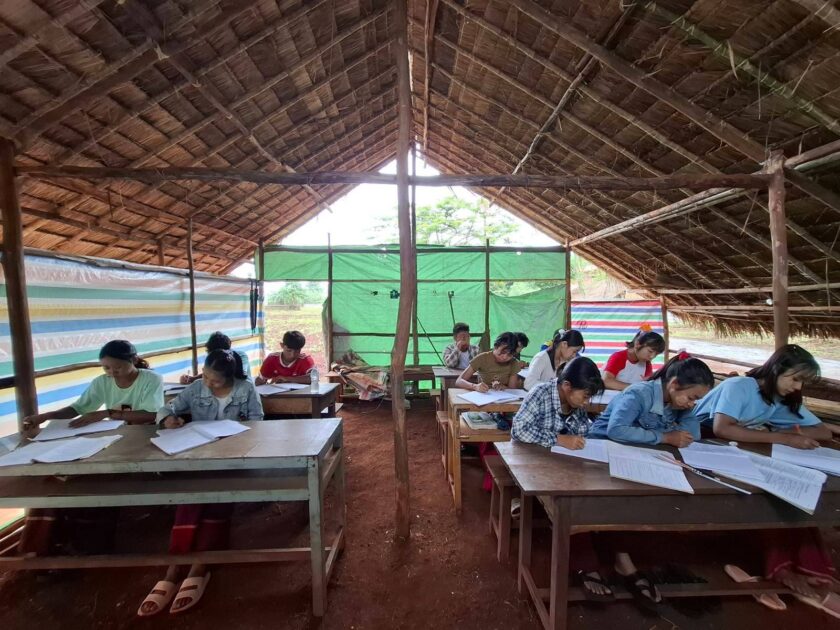
During the 2026–2027 academic year, the education sector in Karenni State continues to struggle due to security conditions, inadequate stipends for teachers, and shortages of teaching materials.
Following artillery shelling near a school and ongoing drone threats in western Demoso Township, classes have been reduced from five hours to four hours per day since the second week of July. School administrators said they have to relocate from classrooms to private homes, and some subjects cannot be completed because of the shortened teaching hours.
Meanwhile, in a village in Nanmekhon Township, residents cultivated three acres of corn through voluntary community labor to raise funds for teacher stipends. The initiative aims to support 13 teachers serving 103 students at the school.
According to the Interim Executive Council (IEC) Education Department, teacher stipends, educational materials, and school supplies have significantly grown compared to last year, while donor support has declined. Although the department is working with the Seh Theh Foundation, assistance remains insufficient. The department has also requested support from the National Unity Government (NUG) but has not yet received assistance. Transportation difficulties also further delay the delivery of supplies to schools in need.
Currently, there are more than 500 basic education schools, with over 5,000 teachers and more than 60,000 students in revolutionary-controlled areas of Karenni State. However, shortages of teachers, stipends, textbooks, teaching materials, and stationery remain severe, forcing some of the displacement schools to close or consolidate classes.
Overview of the Current Military Situation in Karenni State
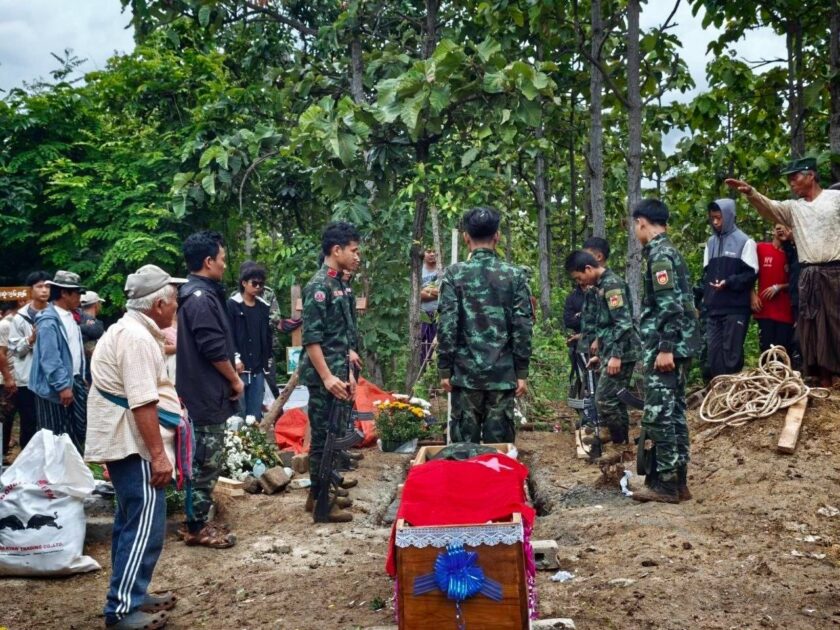
Clashes broke out near Daw Ngan Khar village in Demoso Township on July 18 and 19 between revolutionary forces and the military, resulting in casualties on both sides.
During the fighting, two members of People’s Defence Force Battalion 1109 under the Southern Shan–Karenni Military Region and three soldiers from the Karenni Army (KA) were killed.
Meanwhile, in western Moebye along the Shan–Karenni border, clashes between revolutionary forces and the military have been occurring frequently since the third week of July. Because of the security situation, Moebye PDF urged the public not to use the Lwel Wine, Lwel Yin foothill, and Khaung San routes.
According to information gathered by Kantarawaddy Times, fighting is currently taking place in Moebye, Demoso, Hpruso, and Bawlakhe townships, although there are no large-scale engagements.
Local residents said the military has continued expanding its territorial control and carrying out military offensives, leading to frequent clashes with revolutionary forces. However, when Kantarawaddy Times tried to contact revolutionary officers regarding the latest military situation, they have not yet responded.
SCEF Calls for Inclusive Political Dialogue Following ASEAN Meeting with KNPP and Other EAOs
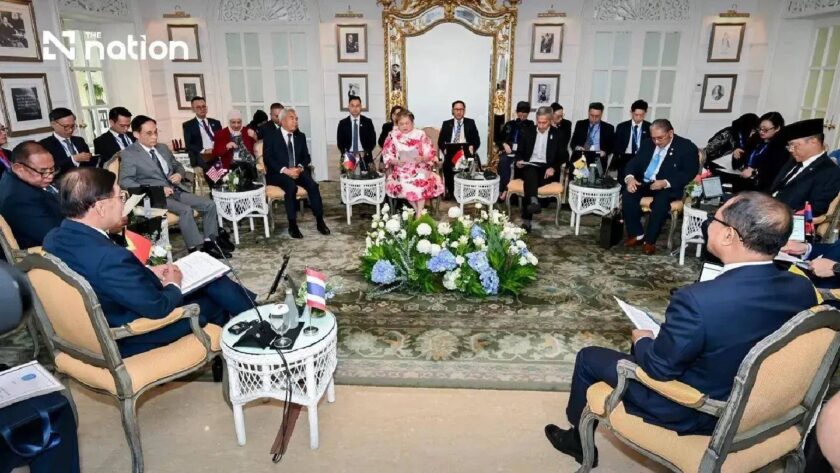
On July 13, in Pattaya, Thailand, ASEAN Special Envoy and Philippine Foreign Secretary Theresa Lazaro, together with Thailand’s Foreign Minister, held the first-ever meeting with leaders of several ethnic armed organizations (EAOs), including the Karenni National Progressive Party (KNPP), Karen National Union (KNU), Chin National Front (CNF), Restoration Council of Shan State (RCSS), and the New Mon State Party (NMSP).
On the same day, the ASEAN representatives also held a separate meeting with delegates from the National Solidarity and Peacemaking Negotiation Committee (NSPNC). The National Unity Government (NUG) did not participate in either meeting.
Following these discussions, on July 15, the Steering Committee for the Emergence of a Federal Democratic Union (SCEF) issued a statement calling for meaningful political dialogue. They urged the military junta to demonstrate genuine political will, immediately halt airstrikes and other attacks against civilians, refrain from attacking hospitals, schools, and religious buildings, release political prisoners, ensure unrestricted humanitarian access, and implement practical confidence-building measures.
SCEF stated that political transition is the objective, while dialogue is merely the means to achieve it. They noted that Myanmar’s governance structure has changed, with political authority no longer concentrated solely in Naypyidaw. They also emphasized that ASEAN’s Five-Point Consensus must not remain on paper but should be implemented in practice.
On July 21, SCEF sent an open letter to the ASEAN Special Envoy ahead of the 59th ASEAN Foreign Ministers’ Meeting
In the letter, SCEF urged that ASEAN’s engagement on the Myanmar issue should be based on principled engagement, inclusivity, and measurable outcomes. It also emphasized that a sustainable political solution requires the meaningful participation of all stakeholders, including the National Unity Government (NUG), ethnic resistance organizations (EROs), democratic forces, ethnic minority communities, and civil society organizations.