




Kantarawaddy Times
Download Link – Summary of Key Events in Karenni State in November
Military Junta Expands Its Area of Operations in Karenni
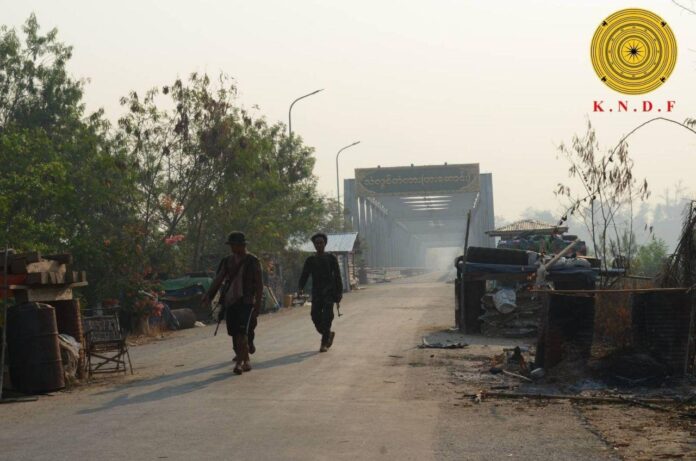
Throughout November, the military junta has been continuously conducting military operations along the Union Highway that runs from the northern to the southern parts of Karenni State, passing through Loikaw, Demoso, Hpruso, and Bawlakhe.
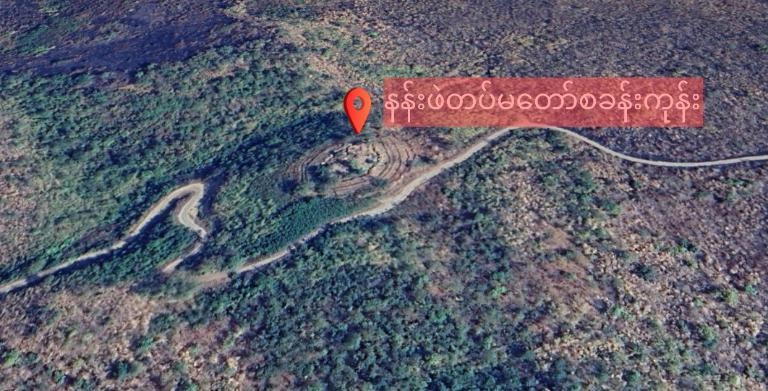
In addition, around 100 soldiers from the junta’s base in Bawlakhe advanced to Maesalaung Mountain (local name), near Nanphe village, reaching there around the third week of November (around November 21).
“On the day that they came, there were quite a lot of mine explosions. Almost the whole day, landmines exploded. I think their main goal was to return to their base. They seem not to care about the casualties. They must have suffered significant losses,” said a local resident living nearby.
Three separate columns left Bawlakhe, but later regrouped. One remaining column reached Htoo Chaung (Htoo River) in the third week of November, though their exact position is unknown, a member of the revolutionary forces told Kantarawaddy Times.
“At first, three columns came. Now one of them is stationed at Maesaloung, and they’ve also set up in two other surrounding locations,” he added.
Meanwhile, the junta column that has been in Hpruso since September 18 is advancing toward Bawlakhe, moving along the Hpruso–Htarleh–Nanphe Union Highway, and clashes between the two sides are still occurring, according to Karenni revolutionary forces.
Therefore, revolutionary forces are urging civilians not to use the Hpruso–Htarleh–Nanphe Road due to rising security risks.
In addition, the junta column that departed Loikaw in July has now reached Khopalot village in Demoso Township, which is close to areas where many internally displaced people (IDPs) are taking shelter. Another column heading toward Nanmekhon on the southwest side has reached the eastern part of Ngamyung (local name), locals said.
“As of yesterday (November 27), the column was still east of Ngamyung. Some people who were very frightened fled, but most people are still staying in the area and trying to continue living normally,” said a local from Pupa village, Nanmekhon Township.
Locals say it is difficult to estimate the daily positions of the military columns because their movements are unpredictable and constantly shifting.
Frequent clashes are occurring between the column that has reached Demoso town and the revolutionary forces, according to the revolutionary forces around Demoso.
In the third week of November, clashes with the column became intense, and according to revolutionary sources, the junta suffered significant casualties.
The expansion of the war zone is not only within Karenni State. A report by the Karenni People’s Voice (KPV) media, citing a statement from a ground revolutionary soldier, states that a fierce battle also took place on November 26th between the junta and its subordinate PNO forces on one side, and revolutionary forces on the other, in the border area of Pekhon Township, a Shan-Karenni border town, and Shan State’s Pinlaung.
The junta and the PNO joint troops had previously launched major offensives along the Pekhon-Pinlaung border beginning in September, with that column advancing and retreating intermittently, KPV reported.
As the military council or junta prepares to hold elections, it is simultaneously launching heavy military operations in strategically important areas of Karenni, such as Moebye, Loikaw, Demoso, Bawlakhe, and Hpruso. Revolutionary groups have been forced to give up control of some areas as a result.
The Arsenic Contamination of the Salween River Should Be Addressed Urgently
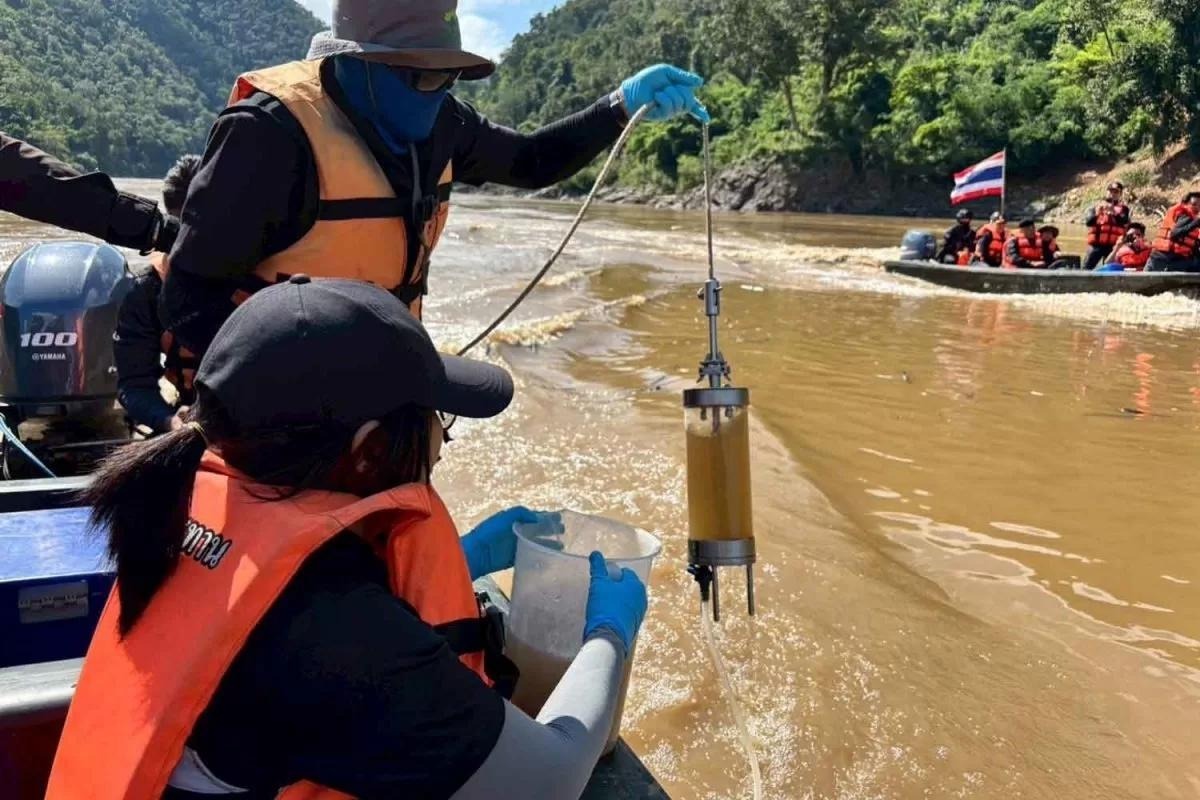
The Bangkok Post reported that Thailand’s Pollution Control Department (PCD) has found arsenic contamination levels above safety standards at 13 monitoring points along the Salween River (Thanlwin River), which borders Thailand’s Mae Hong Son District.
PCD director-general Mr. Surin and his team collected water and sediment samples on November 12 and 13 from the Mae Sariang and Sop Moei districts along the Thai-Myanmar border. Laboratory tests confirmed that arsenic levels exceeded the standard limits.
The Bangkok Post also reported that Mr. Surin stated Thailand’s Ministry of Natural Resources and Environment will request the Ministry of Foreign Affairs to urge Myanmar authorities to investigate the presence of arsenic in the Salween and to probe the source of the upstream pollution.
What Is Arsenic Poisoning?
Arsenic poisoning can occur through consumption, inhalation, or skin contact with arsenic-contaminated food, water, or materials.
Arsenic is naturally present in water, soil, and certain foods. But when levels exceed the standard limit, it can cause toxic effects and lead to severe long-term health issues.
In rivers, arsenic can occur naturally in groundwater, but contamination can also come from mining activities, ore processing, and industrial chemical waste.
Tests on the Thai-Karenni border, in Mae Hong Son District, found arsenic levels in the river exceeding the standard of 0.01 milligrams per liter, with one location exceeding 0.05 milligrams. Mercury levels, however, were within safe limits, according to the Bangkok Post.
Dr. Lwin Lwin Wai, Managing Director of Insight Research Corner, analyzing the Salween River arsenic poisoning for Kantarawaddy Times, suggested that abnormally high arsenic levels in rivers are likely caused by mining operations. Dr. Lwin Lwin Wai is a researcher who has worked on environmental issues for over a decade.
“Contamination from mining operations is the most likely cause. The increased arsenic levels in the river are man-made, primarily from mineral extraction activities,” Dr. Lwin Lwin Wai said.
Thai authorities have already issued warnings advising people not to consume fish or use water from contaminated areas of the Salween River. Dr. Lwin Lwin Wai added that the Karenni side of the river should also conduct inspections.
Due to the river pollution, the relevant government needs to conduct inspections, such as Environmental Monitoring, and reassess water quality. If poisoning is encountered, she said it’s necessary to consider protective measures, conservation, and identifying the root cause of the arsenic poisoning.
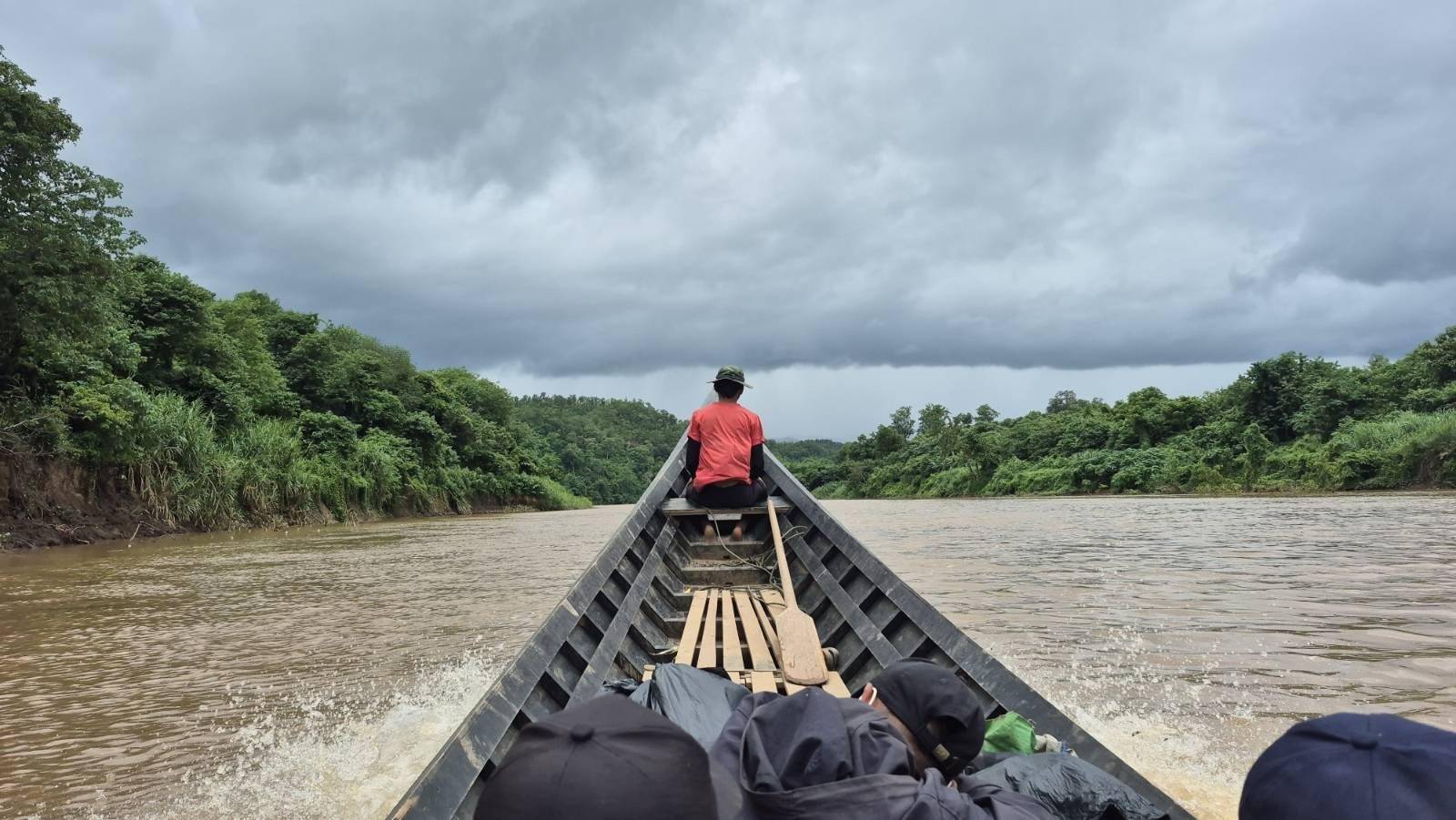
The Salween or Thanlwin River originates in the Himalayan region of China, flows through Myanmar’s Shan State, Karenni State, and Mon State, and passes through the Thai–Myanmar border before reaching the sea. It is Asia’s second-longest river.
According to Thai news reports, it has been suggested that the arsenic poisoning in the Salween River in the border town of Mae Hong Son district comes from the Myanmar side.
“If mining operations are causing the river water pollution, since this river borders two countries, it becomes a cross-border issue. So, both countries have a responsibility to resolve it. However, the mining operations need to be identified. Which companies are operating along the river course? We need to identify what mining operations exist along the upper river course, the area said to be polluted,” analyzed Dr. Lwin Lwin Wai.
Long-Term Effects of Consuming Arsenic Poisoning
The Salween River flows through Hpasawng, Shardaw (Somo Preh Soe Leh), and Bawlakhe (Ywarthit) townships in Karenni State.
According to census data, there are around 1,500 people living in Ywarthit town near the river, over 5,000 in Hpasawng, and over 2,000 in Shardaw.
Many residents rely on the Salween River for livelihoods, such as fishing, hillside farming, crop cultivation, and transportation.
Locals from Ywarthit town, who rely on the Salween River for their work and sustenance, stated they are unaware of the arsenic poisoning issue and lack knowledge about it.
When some Ywarthit locals were asked, they said that recently, after drinking Salween water, they experienced diarrhea, and after eating large fish, some felt dizzy and vomited. However, some other locals said they had no physical reactions from eating fish or drinking the water.
“No one told us about arsenic in the Thanlwin. We didn’t know,” said a Ywarthit local.
Arsenic poisoning does not show immediate symptoms. It accumulates in the body through water and food, and symptoms may appear between 5 and 15 years, depending on exposure.
As arsenic is a metal, in the short term, it can affect the stomach and intestines. Long-term, it causes cancer, skin disorders, kidney disease, and urinary problems. If a pregnant woman consumes contaminated fish, it can impact a baby’s intellectual development.
Arsenic levels in a person can be detected through a hair sample test. But these are potential long-term health problems.
“It can affect the country’s development and workforce. So, toxic contamination is a serious issue. I believe these issues should be resolved and addressed responsibly,” said Dr. Lwin Lwin Wai.
Is Mining the Cause of Arsenic Contamination?
A DVB news report stated that due to the mining of rare earth and gold in Myanmar, the Nant Khuat River and Mae Saeng stream, which are in the Chiang Rai district, have been detected to be polluted. Therefore, the research department of Chiang Mai University, Thailand, tested the water at the confluence of the Salween and Moei (Thaungyin) Rivers, and found that the Salween River is poisoning.
According to an ISP Myanmar report on November 27, 2025, Myanmar exported USD 624 million worth of rare earth minerals to China within nine months. Mining operations in northern Myanmar are controlled by the Kachin Independence Army (KIA), the United Wa State Army (UWSA), the Myanmar National Democratic Alliance Army (MNDAA), and Chinese companies. ISP stated that chemical waste from these mines is discharged into rivers.
The Shan Human Rights Foundation (SHRF) reported that there are at least 26 mining sites in northern Shan State, which borders Karenni State, and environmental impacts along the Salween River could increase.
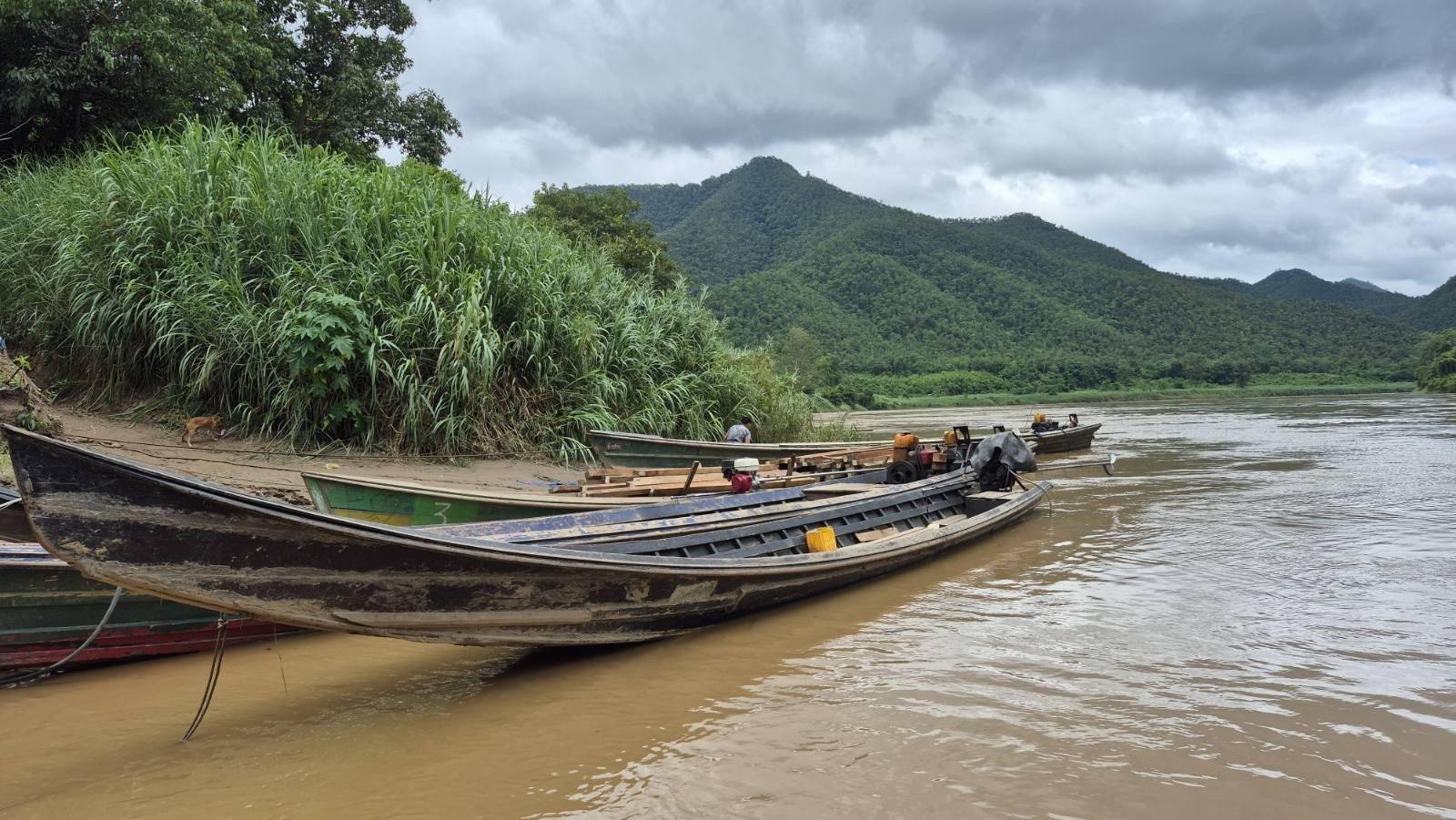
In Karenni State itself, small-scale mining operations have existed for decades without major problems, but the Karenni Minister of Defense, General Bee Htoo, told Thai media that the contamination likely originates from large-scale mining upstream in Shan State.
Environmental groups in Karenni State point out that, regarding transboundary river pollution, countries through which the Salween flows should now take responsibility.
A representative from Kayah Earthrights Action Network (KEAN) stated, “This is a politically significant issue. Karenni should play a part in addressing it. However, I think the primary focus should first be on identifying the part from China, which is directly causing this, both regarding the water quality of the Salween River and the irresponsibility of Chinese businesses causing pollution in the Salween.”
Civil society organizations working on environmental issues plan to collaborate on public awareness regarding this Salween River pollution, demands for action against mining operations, and other related activities.
Military Targeted Attacks on Civilians
Airstrike
November 21 – Mawchi area, Hpasawng Township
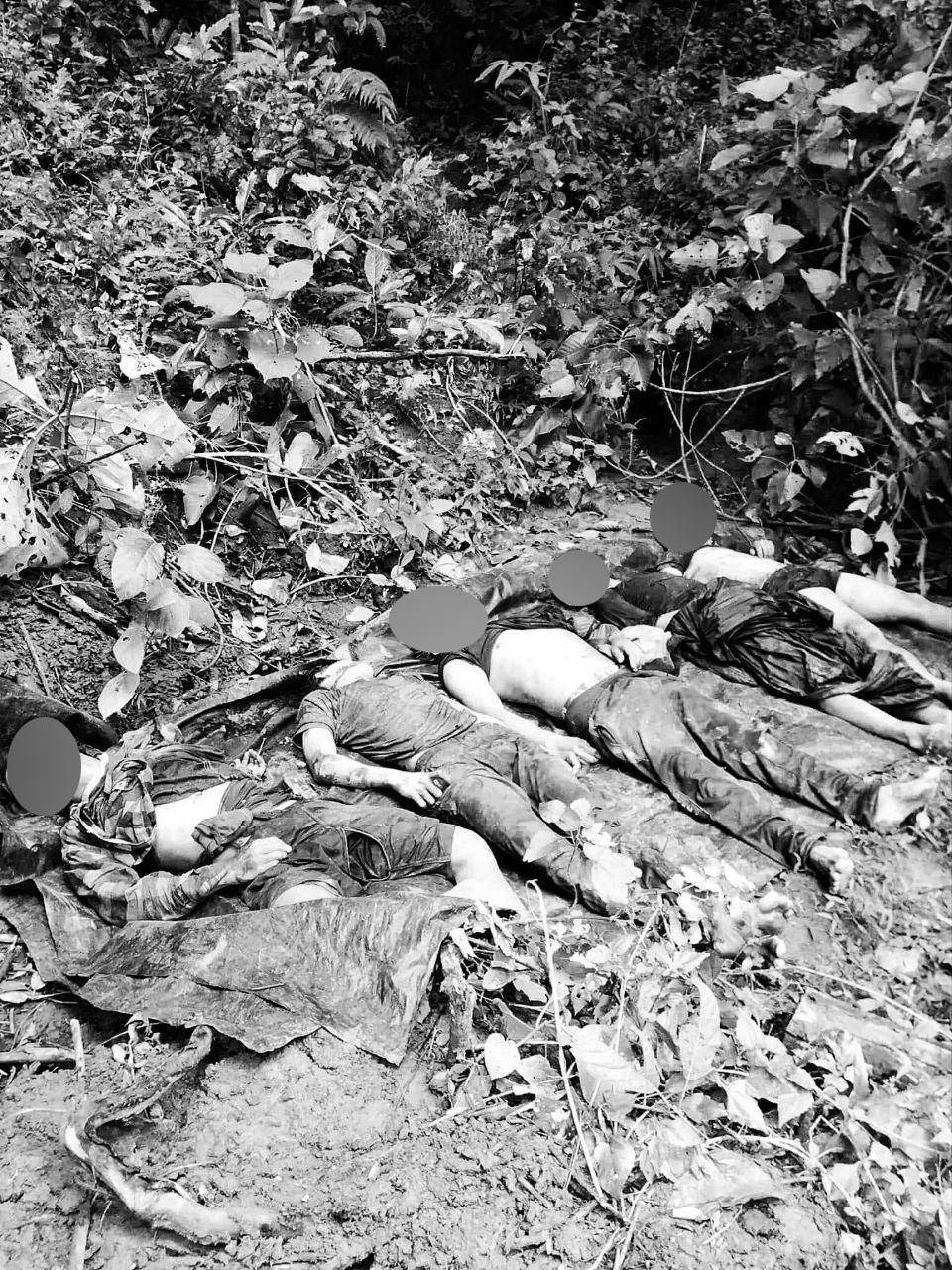
At around 9 a.m. on November 21, the military junta carried out an airstrike on the Mawchi area in Hpasawng Township, Karenni State.
During the attack, three locations in Mawchi were bombed, killing five civilians.
Local residents stated that there had been no clashes or fighting in those areas at the time, and these were areas where civilians lived.
According to Kantarawaddy Times records, the military junta has conducted 18 airstrikes on the Mawchi area in 2025 alone.
Airstrikes and Heavy Artillery Shelling
November 23 – Demoso Township
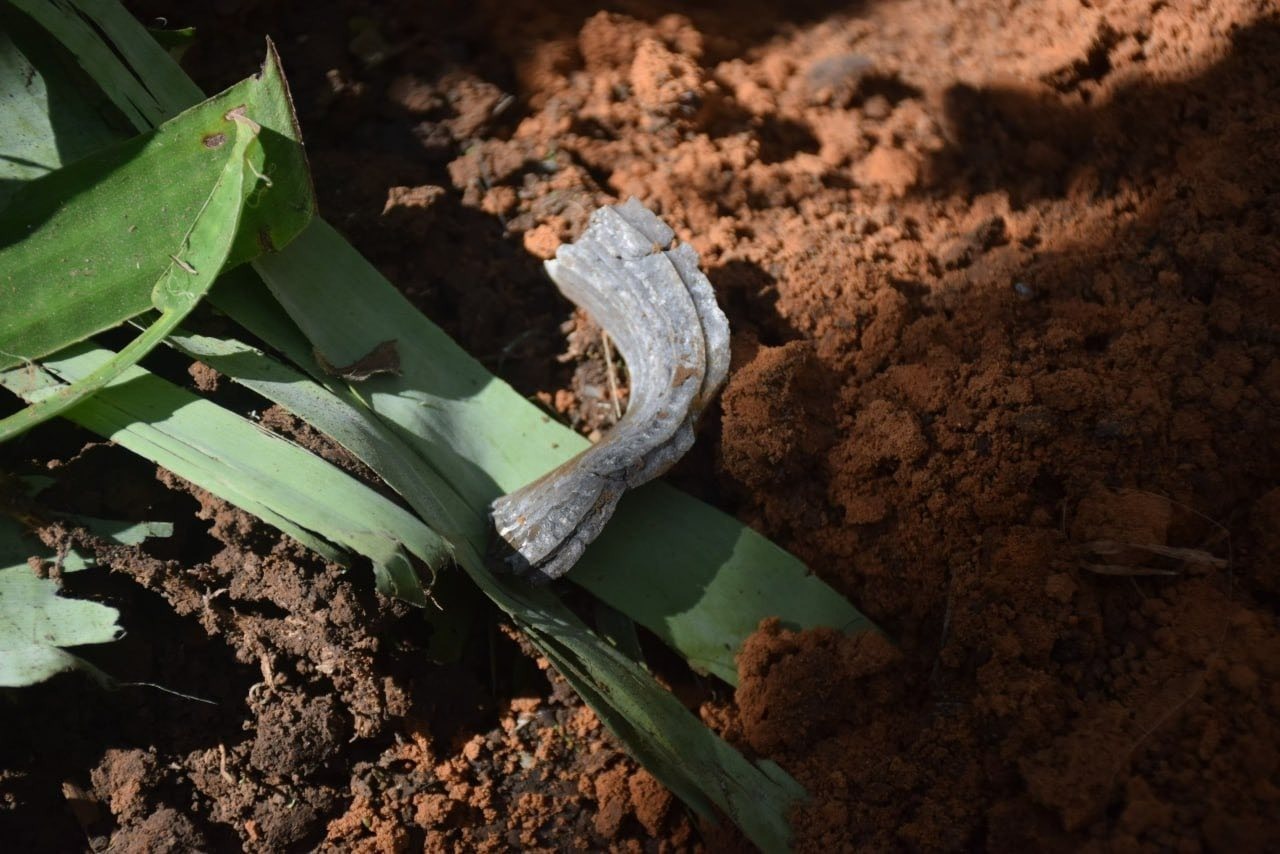
On the afternoon of November 23, the military conducted drone surveillance, airstrikes, and continuous heavy artillery shelling on the western part of Demoso Township.
As a result, residents were forced to flee again.
Four rounds of airstrikes were launched, and heavy weapons were fired for almost the entire day.
Because of the ongoing bombing and artillery attacks, many local civilians have had to flee to safer areas.
Three Displaced Women Killed by Artillery Shelling
November 22 – Pekhon Township

On November 22, three displaced women sheltering in the western part of Pekhon Township were killed when the joint troops of the military junta and PNO fired heavy artillery.
The victims were female, aged around 60, 17, and 46, who were working on farmland near Bawran village in Pekhon.
According to local residents, there were no ground clashes at the time, and the junta forces deliberately targeted civilian areas.
In October, junta and PNO soldiers launched a large-scale offensive into western Pekhon and burned down villagers’ homes. Residents are still not able to return and continue to live in displacement.
A Displaced Woman Seriously Injured by Drone Bomb While Harvesting Groundnuts
November 16 – Hpruso Township
At around 12:30 p.m. on November 16, a displaced civilian working on farmland in Hpruso Township was injured when junta forces carried out a drone attack.
Three people were harvesting groundnuts at the time. One of the women was hit by shrapnel from the drone bomb.
The victim is a 29-year-old woman who suffered serious injuries to her thigh and right chest.
Local people say the military has increasingly targeted civilians harvesting crops, causing widespread fear among farmers.
Gender-based Violence
Minor Girl with Disability Sexually Assaulted
November 14 – Pekhon Township
On November 14, a case of sexual violence against an underage girl occurred in Pekhon Township, on the Shan-Karenni border.
A victim is a young girl, only 14 years old, who is disabled due to Meningitis.
The perpetrator, a 22-year-old man named Maung Pitae, was known to the victim’s family.
The perpetrator attempted to negotiate a settlement with the girl’s family by offering money to silence the case.
On November 20, the victim’s family filed a formal complaint at KSP Station No. 15 to seek proper legal action. Currently, the perpetrator, Maung Petae, is being detained by KSP.
Naypyitaw PDF Quartermaster General Duwon Assaults and Threatens a Woman
November 8 – Demoso Township
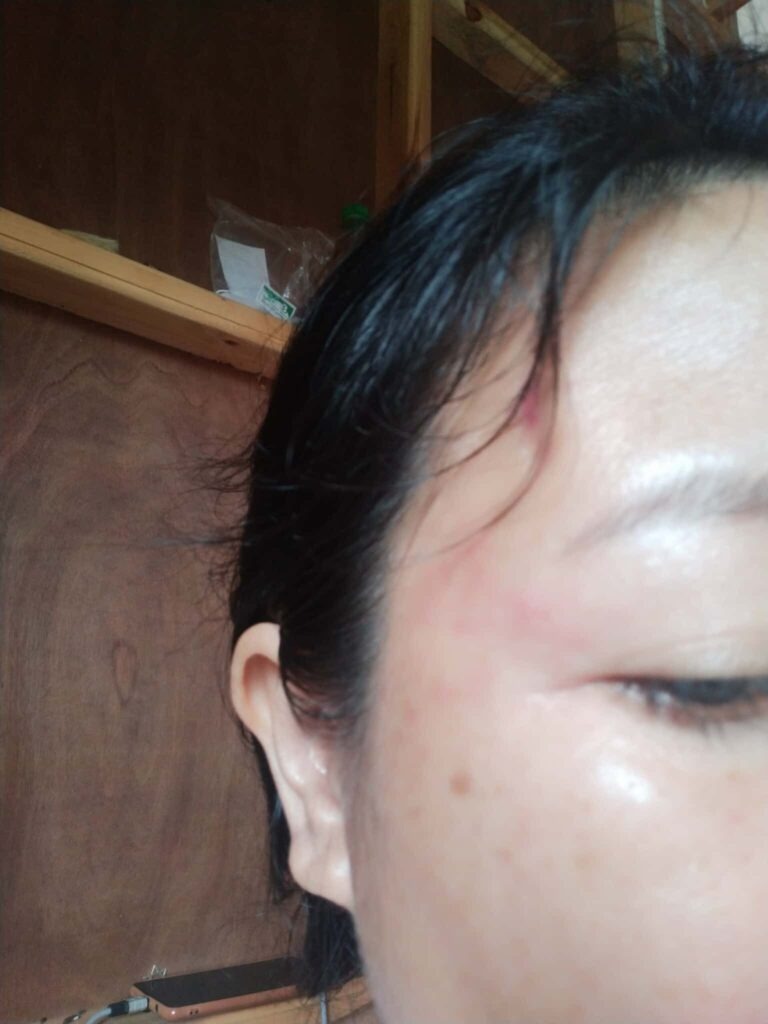
On November 8, Duwon, a quartermaster general of the Naypyitaw PDF based in Karenni State, physically assaulted and threatened a woman with a weapon.
Since the perpetrator is from an armed organization, it has not yet been held accountable. Therefore, on November 20th, the victim filed complaints with the National Unity Government (NUG), the Karenni State Police (KSP), the Karenni Interim Executive Council (IEC), Joint Chiefs of Staff (JCS), the Karenni Nationalities Liberation Front (KNLF), as well as women’s organizations including the Karenni National Women Organization (KNWO) and the IEC’s Department of Women and Children (DoWC), to seek action.
The victim, Ma Thandar Aung, is a friend of General Duwon’s wife.
During an argument between the general and his wife, Ma Thandar Aung was nearby and was beaten during the incident.