




Kantarawaddy Times
Health volunteers in a village in the eastern part of Demoso Township, where malaria is widespread, say they are facing shortages of anti-malaria medicines and have to borrow medicines to treat patients because transportation difficulties have delayed medicine deliveries.
Although some organizations donate anti-malaria medicines, poor transportation and difficult road conditions have significantly delayed the arrival of supplies. As a result, health workers have to borrow medicines from neighboring villages whenever stocks run out.
“In the eastern side, medicines have to be transported from the western side. Because of the transportation difficulties, what should take about a week to arrive ends up taking nearly a month. It’s all because of the road conditions. So when our village runs out of medicine, we have to borrow it from another village. We have already borrowed some now. Once our own supplies arrive, we return what we borrowed. That’s how we manage the situation,” the health volunteer said.
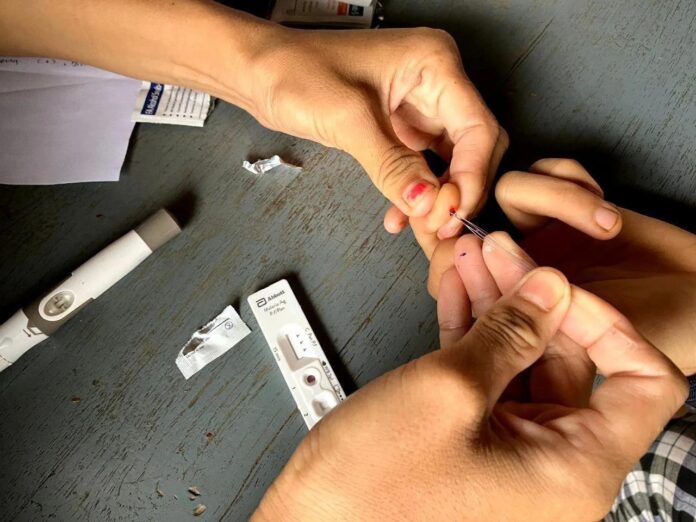
According to the volunteer, malaria cases began increasing in June. Over the past month, around 50 people presented with malaria symptoms, and 13 of them tested positive for the disease.
Malaria has also become increasingly common in villages and displacement camps in eastern Demoso Township. A village official said there is an urgent need for mosquito nets, which are essential for preventing malaria transmission.
“People don’t have mosquito nets, and they really need them. No one comes to distribute mosquito nets here. We have already submitted a request to the relevant authorities, but we haven’t received any yet. If people could sleep under mosquito nets, it would help prevent malaria, even if they don’t go out to work. I think it is best that those who haven’t been infected yet still need protection,” the village official said.
The health volunteer added that most patients who tested positive for malaria were people who had traveled or worked in forested and mountainous areas.
“Malaria is mainly transmitted by mosquitoes. Most of the people who become infected are those who travel long distances or work on farms or in the forests. They are bitten by mosquitoes there and return home infected,” the volunteer explained.
Among those who tested positive for malaria, most were between 20 and 60 years old, and men outnumbered women, according to the health volunteer.