




Download PDF File – Monthly Summary of Key Events in Karenni State during December
Election Phase (1) and Karenni State
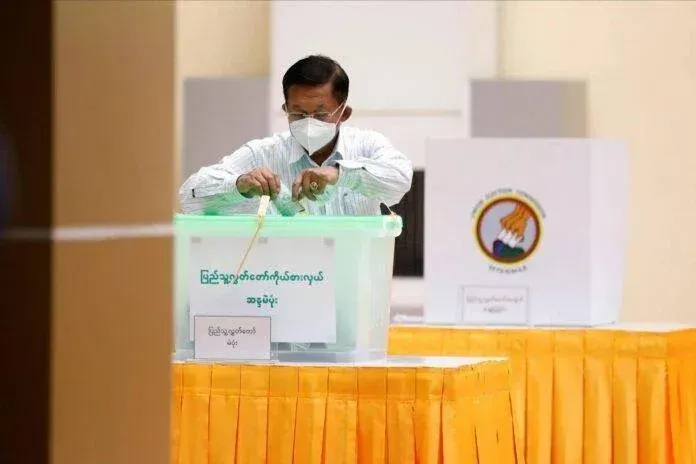
On December 28, 2025, the military-led Election Phase (1) was completed nationwide in 102 townships. In Karenni State, Loikaw Township and Bawlakhe Township were included in Election Phase (1). According to lists released by the Military Election Commission, there were 82 polling stations in Loikaw Township and 6 polling stations in Bawlakhe Township.
Karenni State has a total of seven townships, including Loikaw, Bawlakhe, Hpruso, Demoso, Hpasawng, Shardaw, and Mese, but the Military Election Commission announced that elections could only be held in 4 townships. In Election Phase (1), held on December 28, elections took place in Loikaw and Bawlakhe Townships. In Election Phase (2), scheduled for January 11, 2026, Demoso and Hpruso Townships are included. In Election Phase (3), scheduled nationwide for January 25, the remaining townships in Karenni State will not be included.
The remaining townships, such as Shardaw and Mese, are fully controlled by revolutionary forces. In Hpasawng Township, only the last remaining Light Infantry Battalion (LIB) 135 under the military junta remains, and revolutionary forces are attempting to capture it.
Notable Incidents on Election Day
On December 28, at around 10 a.m. during the election, artillery shells landed in Mingalar Ward in Loikaw town. Although the shells exploded near residential areas, there were no civilian casualties. Residents also said they heard artillery fire coming from inside Loikaw town toward the outskirts.
On election day, large numbers of voters were at polling stations in some of the most densely populated wards in Loikaw, including Dawtama, Lawdhama, and Nambawwam. Most voters were government staff, military families, and military supporters. Other residents of Loikaw told Kantarawaddy Times that they voted out of fear of punishment if they did not cast ballots.
Civilian Death on Election Day
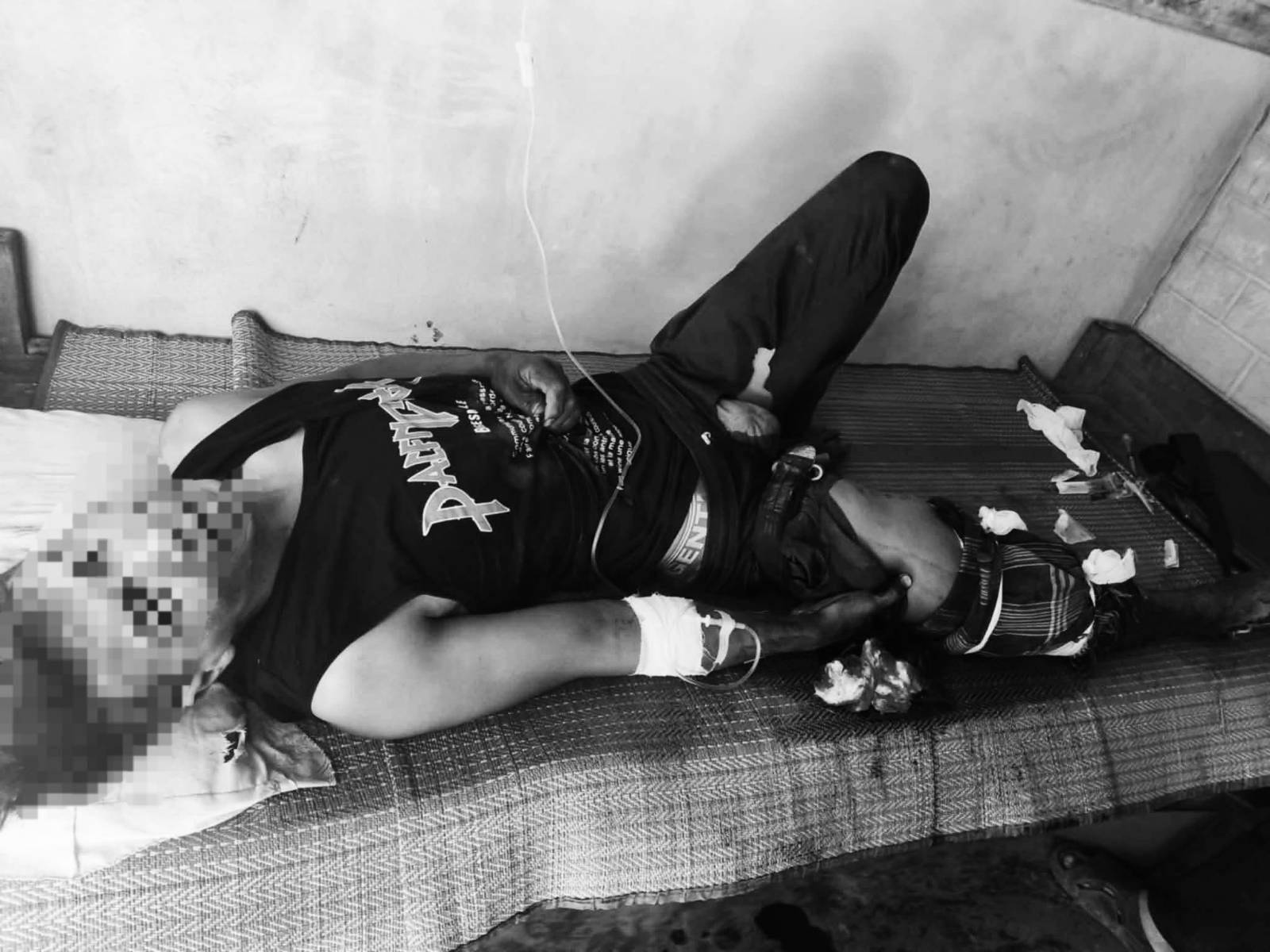
On the morning of election day, artillery fired by the junta landed in eastern Loikaw Township, injuring three men and killing one of them.
After three shells landed and exploded around 9 a.m. on December 28, three men in their 30s were hit. While the three injured men were receiving medical treatment, one of them died, according to a man close to the deceased who spoke to Kantarawaddy Times.
Local residents also said that during the election, junta troops fired artillery toward areas where civilians were present on the outskirts of Loikaw and in Demoso Township.
Military-Controlled Bawlakhe Township and the Election
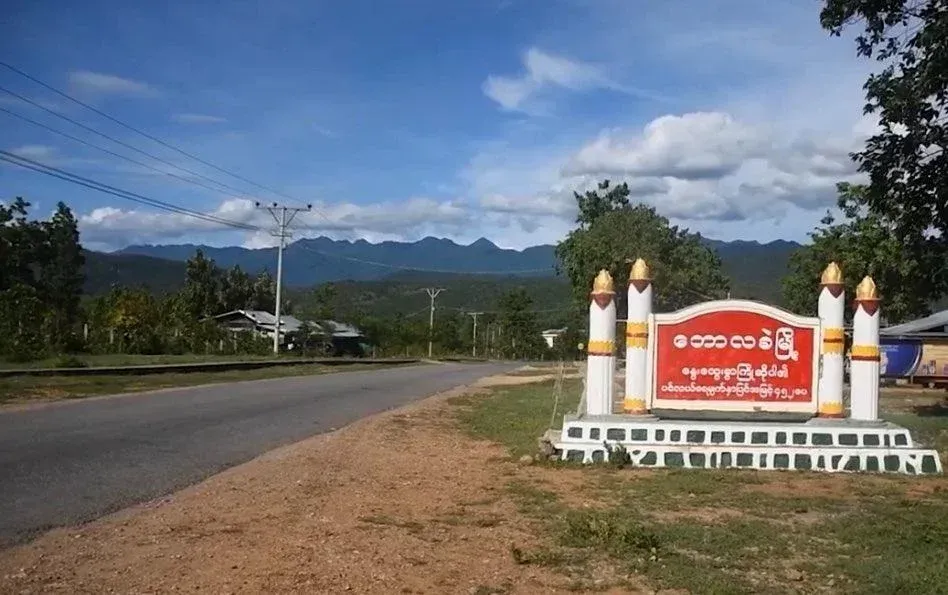
In Bawlakhe Township, which was included in Election Phase (1), voting could only be conducted within the town itself. There were six polling stations in Bawlakhe, four inside military compounds, one in a Shanpine, and one in a Kayahpine. Residents said there are only around 200 civilians currently living in the town, with the majority being government staff under the military junta, military families, and military supporters.
Residents displaced from Bawlakhe town and sheltering elsewhere were included on the advance voting list, according to a source close to local residents. Before the election, junta troops sold food supplies to people who came to check the advance voter lists.
In Bawlakhe, the military junta also included displaced persons and people not currently living in the town on the voter lists. Due to ongoing fighting, goods have not been able to enter Bawlakhe for more than three years. Local residents said they obtain food either by purchasing it from the military or by bartering with whatever food they have.
“Security was tighter. It wasn’t a system where people were absolutely forced to vote, but they released advance voter lists. People went to check them, and those who did were able to buy food and supplies,” a person familiar with the situation in Bawlakhe told Kantarawaddy Times.
Political Parties Contesting in Karenni State
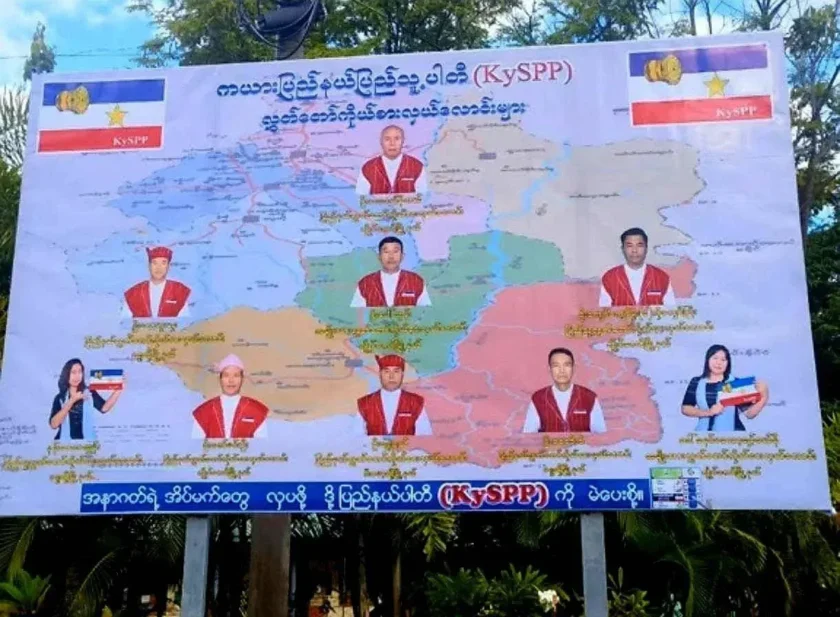
The political parties that contested in constituencies where elections were held include the Union Solidarity and Development Party (USDP), the National Unity Party (NUP), the People’s Pioneer Party (PPP), and the state-based Kayah State People’s Party (KySPP). Including independent candidates, a total of 87 candidates from various parties contested the election.
Nationwide, elections are planned to be held with Election Phase (1) in 102 townships, Phase (2) in 100 townships, and Phase (3) in 63 townships. The Union Election Commission has stated that the overall election results will only be announced after all three phases are completed.
USDP Wins in Loikaw and Bawlakhe
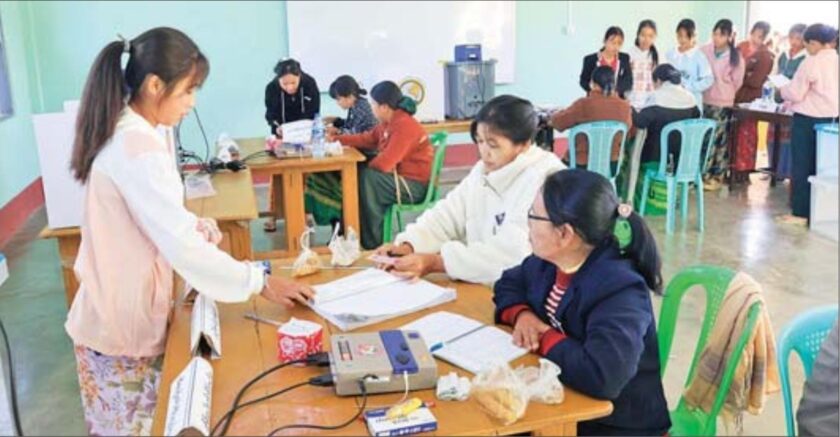
In both Loikaw and Bawlakhe Townships in Karenni State, where Election Phase (1) was held, the Union Solidarity and Development Party (USDP) won.
In Loikaw, more than 30,000 people voted. The USDP won seats in the Pyithu Hluttaw (People’s Assembly), the State Hluttaw, the Amyotha Hluttaw (National Assembly), and the Ethnic Affairs Minister seat for the Bamar ethnic group.
In Bawlakhe, where there were just over 1,700 voters, the USDP won by a landslide in all three legislative bodies.
The Kayah State People’s Party (KySPP), which applied to the Election Commission to form a party for the 2025 general election after the military coup, placed third in both Loikaw and Bawlakhe Townships.
The People’s Pioneer Party (PPP) came in second in both townships.
Nationwide, Election Phase (1) was held in 102 townships, and the USDP won in most constituencies, according to the BBC.
Chief Minister Change After Election Phase (1)
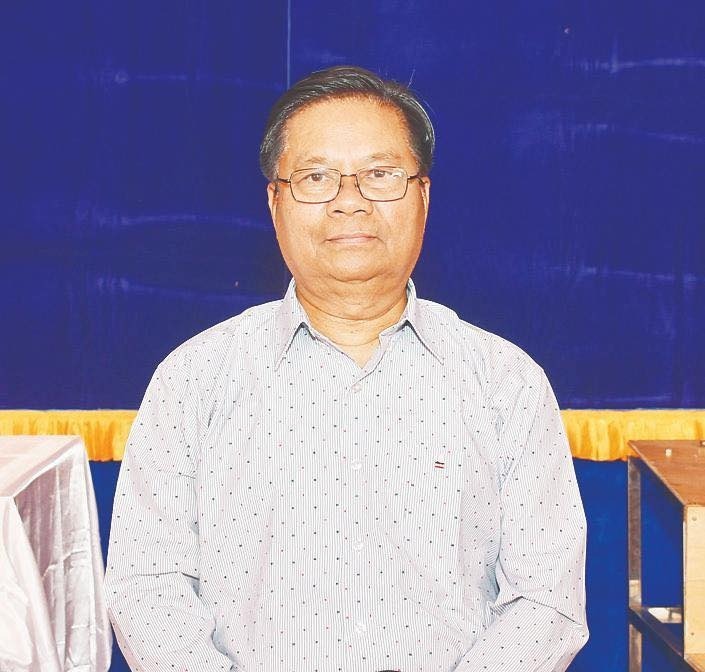
After holding the Election Phase (1) on December 28, the military junta replaced the Chief Minister of the state government. On December 30, the junta’s National Defense and Security Council announced the appointment of U Sein Oo as Chief Minister of Kayah (Karenni) State.
Former Chief Minister U Zaw Myo Tin was removed from his position and ordered to return to military service. He had been appointed Chief Minister in January 2022 while holding the rank of Lieutenant General.
The newly appointed Chief Minister, U Sein Oo, previously served as the Minister of Economy in the junta-appointed government of Karenni State.